To many people, a remote airstrip may appear relatively simple – a runway in an isolated location. In reality, conditions can change quickly, and knowing what is happening on the ground is an important part of every flight.
Rain can change the condition of an unsealed surface, wildlife or livestock can move into the area, vehicles or people can enter the runway, and damage can occur between one flight and the next.
This is why every safe landing begins long before the aircraft arrives.
Before We Depart, We Need to Know What Has Changed
Before a CASAIR aircraft departs for a remote aerodrome, we require a current airstrip inspection.
The reason is straightforward. Unlike a road vehicle, an aircraft cannot arrive at the runway, stop and assess the conditions before deciding whether to continue. The pilot needs that information before departure so it can be considered alongside the weather, aircraft weight, performance and other factors that determine whether the flight can be safely conducted.
The person completing the inspection therefore provides an important link between what is happening on the ground and the pilot preparing for the flight.
A good inspection builds a picture of the airstrip as it exists today, not simply as it was on the previous flight.
It considers:
- The overall condition of the runway surface.
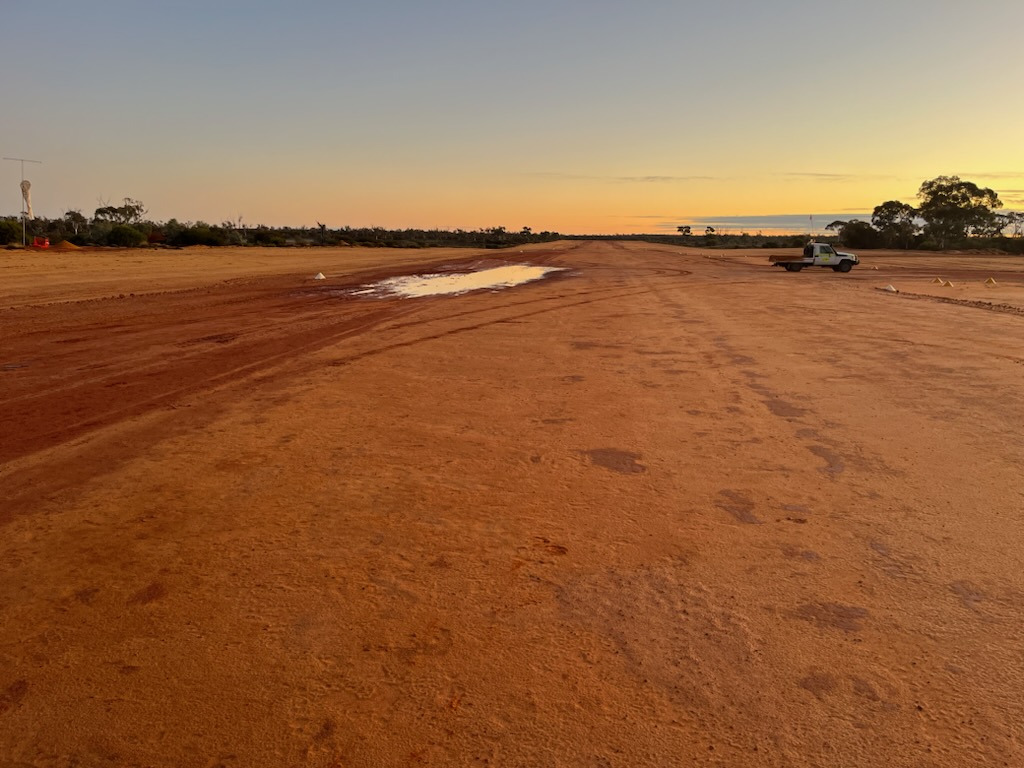
- Soft, wet or waterlogged areas following rain.
- Standing water, rutting, erosion or washouts.
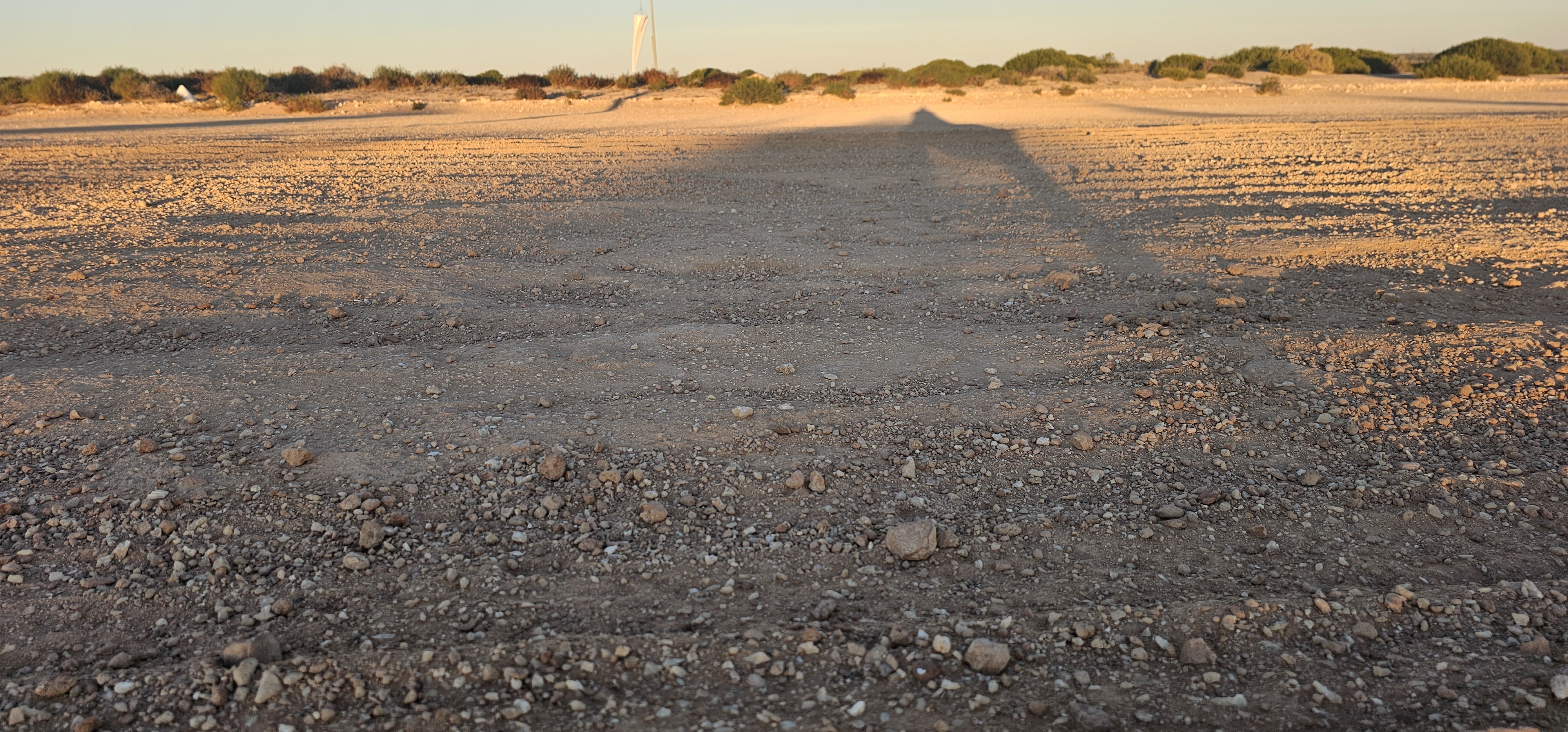
- Loose gravel, rocks or other foreign objects.
- Damage caused by vehicles or machinery.
- Runway markers, lighting and windsocks, where fitted.
- Fencing or gates that may allow livestock onto the runway.
- Wildlife or livestock on or near the runway.
- Vehicles, machinery or people within the operating area.
- Anything else that has changed or could affect the safe arrival or departure of the aircraft.
What may appear relatively minor from the ground can be very different when encountered by an aircraft during landing or take-off.
When Rain Changes Everything
Rain deserves particular attention at remote airstrips because the condition of an unsealed runway can change significantly in a relatively short period of time.
A surface that was firm and suitable yesterday may be soft today. In some cases, the top of the runway can appear reasonably dry while the material underneath remains saturated and unable to properly support the aircraft.
If the surface cannot support the aircraft’s weight, the wheels can sink into it and the aircraft may become bogged.
A bogged aircraft is much more than an inconvenience. It can result in damage to landing gear, propellers, engines or the aircraft structure, require a complex recovery operation and potentially close the airstrip for an extended period.
Most importantly, a deteriorated runway surface can expose passengers and crew to unnecessary risk.
This is why knowing what has happened since the last flight particularly rainfall and any resulting change to the runway is so valuable.
Being There Before the Aircraft Arrives
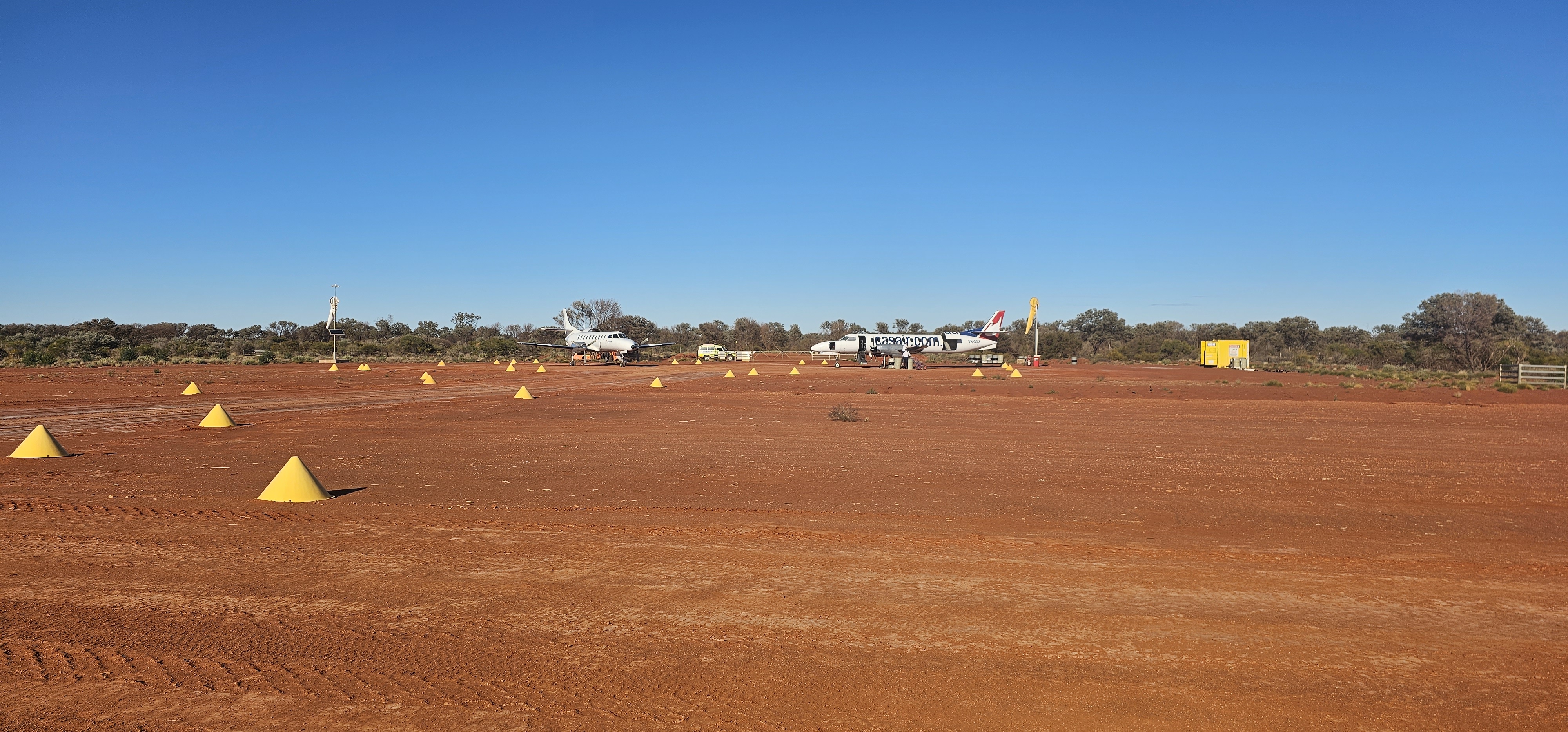
Completing the inspection is only part of preparing a remote airstrip for an arriving aircraft. It is equally important that a responsible site representative is at the airstrip before the aircraft arrives.
An inspection provides a snapshot of conditions at a particular point in time, but the environment can continue to change. Wildlife may move towards the runway, livestock may enter the area, vehicles or machinery may appear, or people may enter the operating area after the inspection has been completed.
Being there before the aircraft arrives allows the area to continue to be observed and gives time to ensure the runway and surrounding operating area remain clear.
It also means any significant change can be communicated to the flight crew before landing. What was reported during the original inspection can therefore be supported by an up-to-date picture of what is actually happening as the aircraft approaches.
This continuing presence is particularly important at remote locations where there may be no dedicated airport staff continuously monitoring the airstrip.
The Runway Is Only Part of the Picture
A runway may be perfectly serviceable while something happening around it creates a completely different risk.
Kangaroos, birds, livestock and other wildlife can move onto the runway with little warning. Vehicles and machinery may enter the area, and people unfamiliar with aircraft operations may not appreciate how far they need to remain clear.
Observing wildlife and livestock movements, ensuring vehicles and equipment remain clear and keeping unauthorised people away from the operating area all contribute to providing a safe environment for the aircraft’s arrival and subsequent departure.
It is not simply about looking at the runway, it is about understanding what is happening around it.
Staying Until the Aircraft Has Safely Departed
That responsibility does not finish when the passengers have boarded.
We ask the responsible site representative to remain at the airstrip until the aircraft has safely departed.
Although uncommon, an aircraft may reject a take-off, experience a technical issue or need to return shortly after departure. Having someone remain on site means assistance and communication are immediately available should they ever be required.
It also allows the operating area to continue to be monitored while the aircraft prepares for departure, helping ensure wildlife, livestock, vehicles and people remain clear during taxi and take-off.
These situations are rarely encountered, but being prepared for the unexpected is an important part of aviation safety.
From Before Arrival to After Departure
Safe remote airstrip operations depend on more than a single inspection.
They begin with providing an accurate picture of the airstrip before the flight departs, continue with having someone present to monitor conditions before the aircraft arrives, and conclude only once the aircraft has safely departed.
By conducting a thorough inspection, accurately reporting runway conditions, monitoring wildlife, livestock, vehicles and other activity, and remaining at the airstrip throughout the aircraft’s time on the ground, site personnel play an important part in protecting our passengers, our crews and our aircraft.
An airstrip is not safe because nothing has changed, it is safe because someone has confirmed what has changed.
At CASAIR, every safe journey is built on informed decisions, careful preparation and working together. It’s how we go the best way!